Unfiltered, Unrehearsed, and Absolutely Calculated: The Celebrity Authenticity Con
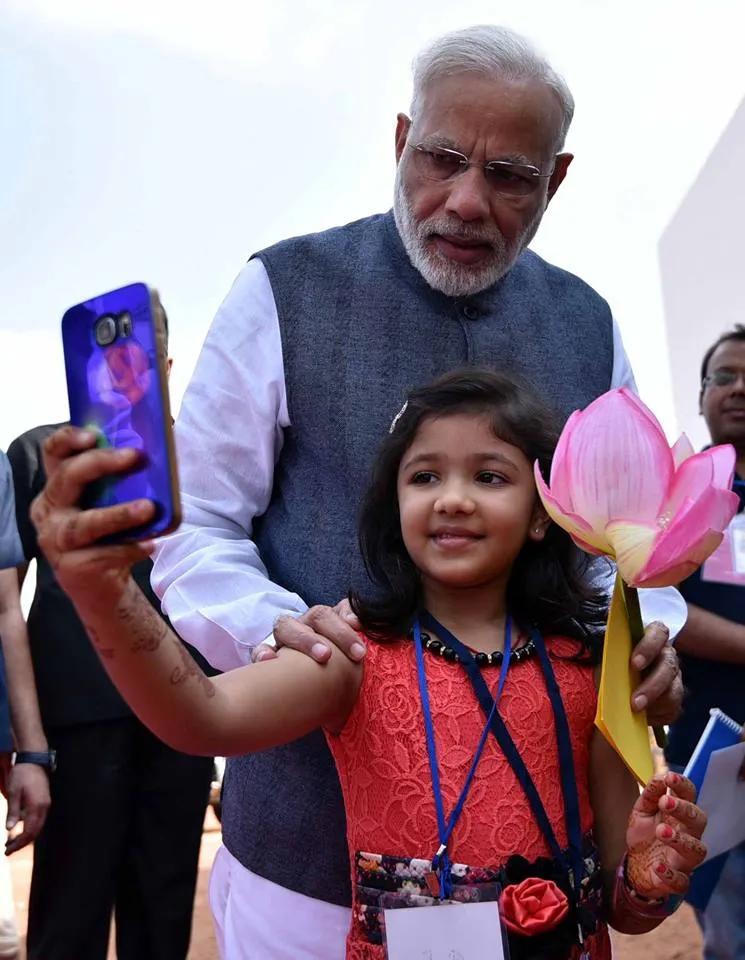
Photo: Narendra Modi, CC BY-SA 2.0, via Wikimedia Commons
Let's set the scene. It's 11:47pm on a Tuesday. Your favorite celebrity just posted a blurry, slightly underexposed photo of themselves sitting on a kitchen counter in sweats, eating cereal straight from the box, captioned "lol this is my life rn 😭." No filter. No glam squad. Just them and their Lucky Charms, keeping it real.
And you feel it — that little warm rush. They're just like me. You double-tap before you even finish reading the caption.
Congratulations. You've just been played. Masterfully, expensively, and with a great deal of professional assistance.
The Authenticity Industrial Complex
Somewhere between the death of the untouchable movie star and the rise of the "relatable queen" era, celebrity PR machinery quietly rewired itself. The old model — keep them distant, keep them glamorous, let the mystique do the work — got quietly retired. In its place? A meticulously engineered illusion of access.
Today, the most powerful celebrities in America aren't the ones who seem the most polished. They're the ones who seem the most real. And that realness, almost without exception, has a budget attached to it.
Social media managers now specialize specifically in crafting posts that don't look crafted. There are entire consulting firms dedicated to the art of "authentic storytelling" for celebrity clients — which is genuinely one of the most deranged sentences the English language has ever produced, and yet here we are. These firms charge anywhere from $15,000 to $150,000 a month to help famous people seem like they forgot the camera was on.
Strategic Vulnerability: A Case Study in Crying on Purpose
Nothing accelerates a parasocial bond quite like watching someone cry. It's hardwired into us — tears signal trust, intimacy, and emotional stakes. Which is exactly why the "emotional reveal" has become one of the most reliable tools in the modern celebrity playbook.
Think about the cadence of these moments. A big album drops. A scandal needs defusing. A movie needs a press run. And right on cue, there's a sit-down interview, a TikTok, a carefully lit Instagram Story where our subject gets real about their struggles. The timing is never accidental. The lighting is almost always suspiciously good for someone who's supposedly falling apart.
This isn't cynicism for its own sake — some of these moments are genuine. But the problem is that authenticity and performance have become so thoroughly intertwined that it's nearly impossible to tell the difference anymore. And the celebrities who've mastered this art form aren't just blurring that line — they're profiting from the blur itself.
The psychology here is well-documented. Dr. Pamela Rutledge, director of the Media Psychology Research Center, has written extensively about how parasocial relationships — one-sided emotional bonds we form with public figures — activate the same neurological pathways as real relationships. When a celebrity shares something vulnerable, your brain doesn't automatically file it under "media consumption." It files it under "my friend told me something personal." The intimacy feels real because, neurologically speaking, it kind of is.
Behind the Scenes of the Behind-the-Scenes
The "BTS content" genre deserves its own special entry in the Celebrity Manipulation Hall of Fame. You know the format: shaky vertical video, unflattering lighting, someone laughing at nothing in particular while a crew member adjusts something in the background. The whole aesthetic screams you weren't supposed to see this.
Except you were always supposed to see this. There's a reason it was posted.
The behind-the-scenes industrial complex now operates with its own dedicated crew members — people whose entire job is to follow celebrities around and document them being "off guard." Major label artists have behind-the-scenes directors. Movie studios employ dedicated "content capture" teams whose sole mission is to manufacture the impression that nobody's watching. The average Netflix celebrity docuseries has a production budget that would make a mid-tier Hollywood film blush.
When Beyoncé released Renaissance: A Film by Beyoncé, it was simultaneously one of the most intimate celebrity documents ever made and one of the most controlled. Every frame was approved. Every vulnerable moment was a chosen disclosure. The intimacy was real and it was produced. Both things can be true — which is precisely what makes this so hard to push back against.
Why We Keep Falling For It (And Why That's Complicated)
Here's the uncomfortable part: knowing it's manufactured doesn't necessarily make it stop working. Research consistently shows that awareness of parasocial manipulation doesn't fully inoculate people against it. You can know, intellectually, that a celebrity's "raw" moment was approved by three publicists, and still feel the emotional pull. Your brain is not particularly interested in your media literacy.
Social media platforms have optimized specifically for this loop. Algorithmic reward structures favor content that generates emotional engagement — and nothing generates emotional engagement like perceived authenticity. The celebrity posts something "real," you engage with it because it feels personal, the algorithm amplifies it, the celebrity's team notes what worked, and the next "spontaneous" moment is calibrated accordingly. It's a feedback loop that essentially trains celebrities to perform authenticity more effectively over time.
And the financial stakes are enormous. A celebrity with a deeply engaged, emotionally invested fanbase isn't just famous — they're a monetizable asset class. Brand deals, streaming exclusives, merchandise, tours, app subscriptions: all of it converts at dramatically higher rates when fans believe they have a relationship with the person selling to them. The parasocial bond isn't a side effect of modern celebrity culture. It's the product.
So What Are We Actually Supposed to Do With This Information?
Look, we're not here to tell you to stop caring about celebrities. That's not what FanStalker is about, and frankly, caring about famous people is a completely normal human activity that predates Instagram by several millennia. (The ancient Romans were absolutely losing their minds over chariot racers. We're not so different.)
But there's a meaningful difference between enjoying the content and understanding the transaction you're participating in. When you watch a celebrity's "vulnerable" moment, you are consuming a product. That product may contain genuine emotion. It may also contain a publicist's fingerprints. Usually, it contains both.
The celebrities who are actually worth your emotional energy are the ones whose "authenticity" holds up even when there's nothing to sell — no album drop, no controversy to manage, no brand deal to activate. Those moments exist. They're just a lot rarer than the content calendar would have you believe.
In the meantime: enjoy the cereal-on-the-counter photo. Just maybe don't let it convince you that you know someone you've never met.
That's what they want you to think.