Pay to Obsess: The Celebrity Subscription Racket That's Turning Fan Love Into a Monthly Bill

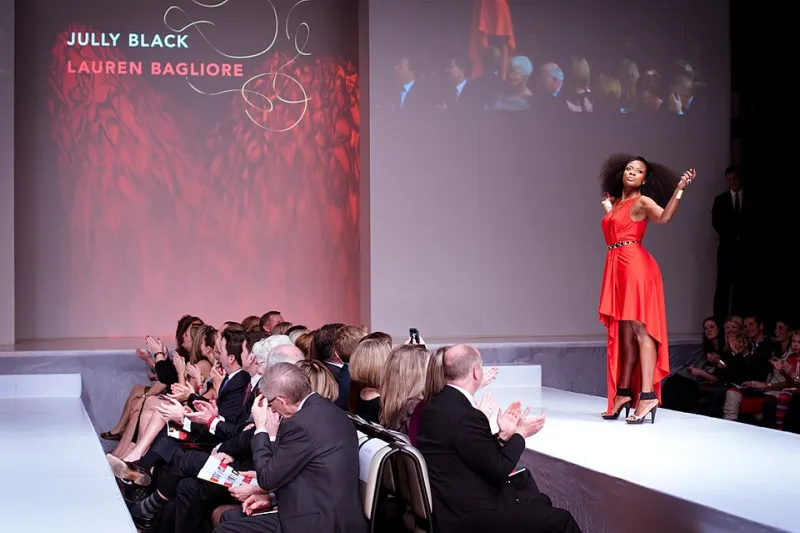
Photo: Photograph by Mike Peel (www.mikepeel.net)., CC BY-SA 4.0, via Wikimedia Commons
Let's set the scene. It's 11:47 PM on a Tuesday. You're horizontal on your couch, blanket tucked under your chin, phone hovering three inches from your face. Your favorite artist just dropped a notification: "Exclusive content just for you — join the Inner Circle for $14.99/month." And honestly? You're already calculating whether you can cut back on lunch to make it work.
Welcome to the parasocial paycheck economy, where celebrities have cracked the code on something that's been hiding in plain sight for years: the most devoted fans aren't just an audience. They're a subscription base. And they will absolutely pay for access to things that used to be free — as long as the packaging is premium enough.
The Velvet Rope Goes Digital
The architecture of celebrity fandom used to be fairly simple. You bought the album, attended the concert, maybe purchased a T-shirt that shrunk in the wash. The celebrity got paid, you got the experience, everyone went home.
Then the internet happened. Then social media happened. Then parasocial relationships got so deeply baked into modern fan culture that celebrities realized something extraordinary: their most dedicated followers weren't just consumers. They were emotionally invested stakeholders who would pay extra to feel slightly closer to the person they'd already handed enormous mental real estate.
Platforms like Community, Patreon, and the celebrity-specific app Stardust started offering stars a direct line to fans — bypassing the algorithm, bypassing the label, bypassing everyone except the fan's credit card processor. Suddenly, a text message from your favorite artist could cost $8 a month. A voice memo about their morning routine? That's a Tier 2 perk. A blurry photo of their kitchen counter? Exclusive. Priceless. Yours for $19.99.
The Tiered Universe of Fan Spending
Here's where it gets genuinely fascinating from a psychological standpoint — and slightly diabolical from a consumer one. The subscription tier model isn't random. It's engineered.
Most celebrity platforms operate on a three-to-four tier system that mirrors the kind of loyalty architecture airlines have been using for decades. At the bottom, you get just enough to feel included — a monthly newsletter, maybe some behind-the-scenes photos that are slightly better than what's on Instagram. In the middle tier, things get more personal: Q&As, early ticket access, a digital birthday card that was almost certainly generated in bulk. At the top? You're paying anywhere from $50 to $200 a month for the feeling of proximity. A personalized video message. A Zoom call with forty-nine other fans where the celebrity waves at the camera for eleven minutes before their assistant ends the session.
The genius — and yes, it is genius, even if it's also a little predatory — is that each tier is designed to make the one above it feel tantalizingly within reach. You're not just buying content. You're buying the possibility of being noticed.
NFTs, Apps, and the Great Fan Cash Grab
The subscription model was only the opening act. As the 2020s rolled in, celebrities started experimenting with increasingly creative methods of monetizing devotion.
NFT drops became a brief but spectacular chapter in this story. Stars from musicians to athletes launched digital collectibles promising "lifetime access" to exclusive communities, special event invitations, and direct engagement — most of which evaporated faster than the resale value of the tokens themselves. Fans who spent thousands on digital assets tied to their favorite celebrities often found themselves holding JPEGs and broken promises while the celebrity had long since moved on to their next revenue experiment.
Then came the proprietary apps. Several major stars have now launched their own branded platforms — essentially walled gardens where all the content lives behind a login that costs money. The pitch is always intimacy. "This is where I'm really me," the celebrity says, gesturing at the app they definitely did not build themselves. "I wanted a space away from the noise." The space away from the noise, it turns out, costs $12.99 a month and has a merch store built directly into the interface.
What Are Fans Actually Getting?
This is the question that deserves more honest scrutiny than it typically gets. Strip away the emotional scaffolding — the sense of belonging, the thrill of access, the dopamine hit of feeling chosen — and what is the actual content exchange happening here?
For many subscribers, the answer is: less than they expected, more than they'll admit. The parasocial bond is doing enormous heavy lifting. A thirty-second video of a celebrity saying your name (from a list, read aloud, in one sitting, probably on a Wednesday afternoon) feels monumentally meaningful in the moment. A group chat where a star occasionally drops a reaction emoji feels like friendship. The content itself is often thin. The feeling the content produces is not.
That's not entirely cynical, either. Human beings are wired for connection, and even simulated proximity to someone we admire produces genuine emotional responses. The issue is the asymmetry. The fan feels a relationship. The celebrity has a subscriber count.
The Emerging Stars Who Figured This Out First
While legacy celebrities have been cautiously dipping their toes into subscription models, a new generation of TikTok and YouTube stars has been running this playbook with considerably less hesitation. Creators who built audiences of millions before they turned twenty-five have monetized those audiences with an efficiency that would make a Silicon Valley product manager weep with admiration.
For these creators, the subscription model isn't a secondary revenue stream — it's the primary one. Patreon tiers, exclusive Discord servers, paid newsletters, private livestreams: the infrastructure of fan monetization is baked in from the beginning. And because these creators have built their brands on intimacy — the casual, unfiltered, "I'm just like you" energy of social media — the transaction feels less transactional. You're not buying access to a distant star. You're supporting a friend. A friend who has 4.2 million followers and a dedicated merch fulfillment warehouse, but still.
The Uncomfortable Question Nobody Wants to Ask
At some point, someone has to say it: is this okay? Not legally — obviously it's legal. But is the systematic monetization of parasocial attachment, specifically designed to extract maximum spending from the most emotionally invested fans, something the industry should be examining more critically?
The fans most likely to subscribe at the highest tiers, to buy the NFTs, to purchase the personalized video messages, are often the ones who can least afford to. Devotion doesn't correlate with disposable income. And the platforms are built to encourage escalating commitment, not informed spending decisions.
None of this will stop the machine. The celebrity subscription economy is projected to keep growing, new platforms will keep launching, and somewhere right now a fan is deciding between groceries and a Tier 3 membership that promises a monthly "personal" voice note.
At FanStalker, we're not here to tell you how to spend your money. We're here to make sure you know exactly what you're spending it on. And what you're spending it on, mostly, is the feeling of being seen by someone who has a very efficient system for making a lot of people feel exactly that way.
The velvet rope is digital now. And you're paying monthly to stand in line behind it.