Swipe Right on Your Stans: How Celebrities Got Caught Stealing the Drip From Their Own Fan Pages
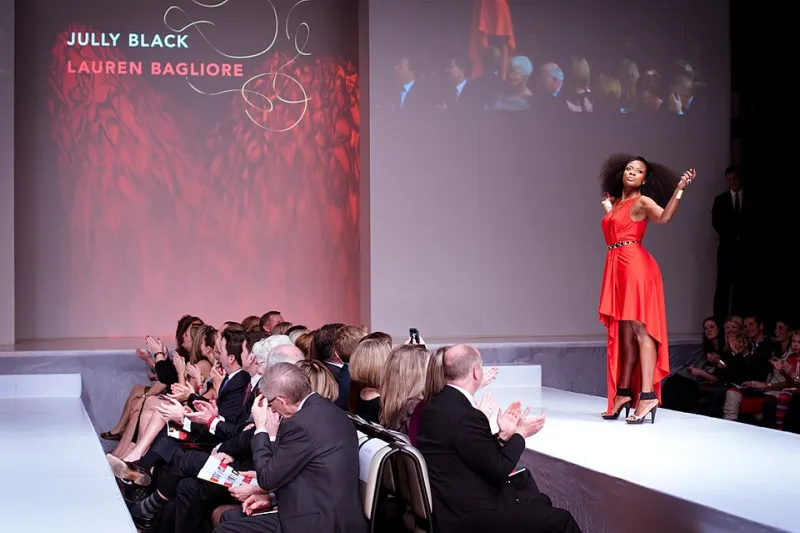
Photo: Jason Hargrove from Toronto, Canada, CC BY 2.0, via Wikimedia Commons
Let's get one thing straight before we go any further: fans have always looked up to celebrities. That's basically the whole arrangement. You're famous, we're not, you wear the cool thing, we buy the cool thing. Simple. Clean. Capitalism working as intended.
Except somewhere between the rise of TikTok fan edits, Tumblr aesthetic boards, and parasocial relationships that would make a therapist reach for their notepad, the whole dynamic quietly flipped. Now, increasingly, it's the celebrities who are doing the copying — and the fans are the ones setting the table.
Welcome to the era of parasocial payback, where your favorite A-lister's latest "organic" aesthetic moment was almost certainly workshopped in a Discord server you've never heard of.
The Edit That Started It All
If you spend any meaningful time in fan spaces online — and if you're reading FanStalker, we're going to go ahead and assume you do — you've seen the phenomenon play out in real time. A fan account drops a carefully curated edit of, say, a pop star rendered in grainy '70s film stock with a particular color palette and a specific vintage silhouette. The edit gets half a million likes. Three months later, that same artist shows up to a magazine shoot looking exactly like the edit. The fans absolutely lose their minds. The publicist says nothing.
This isn't a coincidence. This is a pipeline.
Take the whole "dark academia" moment that swept through celebrity fashion a few years back. That aesthetic — tweed blazers, moody libraries, fountain pens, the vibe of someone who definitely owns a copy of Donna Tartt's The Secret History — didn't originate in a stylist's mood board. It was painstakingly assembled and tagged into existence by fan communities on Tumblr and Pinterest, many of whom were building elaborate fantasy worlds around their favorite fictional and real-life figures. By the time it hit the red carpet, it had already been alive online for years.
Same story with the "blokette" aesthetic, the Y2K revival, and approximately seventy-five percent of whatever Olivia Rodrigo has been photographed in since 2021. The fans built the runway. The celebrities just walked it.
Genuine Influence or Strategic Mining?
Here's where it gets philosophically murky, and honestly, a little bit fascinating.
There are two ways to read this trend, and they say very different things about the celebrity-fan relationship. Interpretation one: celebrities are human beings who exist online, absorb the same cultural content the rest of us do, and are genuinely influenced by the creative communities that surround them. Wholesome. Cyclical. Art working the way art is supposed to work.
Interpretation two: celebrity teams — managers, stylists, social media consultants, and the entire sprawling apparatus that maintains a famous person's brand — are actively monitoring fan spaces for market research, identifying which aesthetics are generating the most emotional engagement, and deploying those aesthetics in a calculated play for relevance.
The honest answer is probably both, depending on the celebrity and the day of the week.
What's harder to dismiss is the speed at which it now happens. When Sabrina Carpenter started leaning into a hyper-feminine, vintage-lingerie-adjacent visual language, fan communities had been building that exact aesthetic around her image for months beforehand. When Chappell Roan's team leaned fully into the theatrical, drag-adjacent, maximalist presentation that made her 2024 rollout so electric, it wasn't invented in a vacuum — it was co-created with a fan base that had been building that world with her, sometimes before she was famous enough to fill a mid-sized venue.
The question isn't whether the influence is real. It clearly is. The question is whether the celebrities — or more accurately, the teams around celebrities — are acknowledging it.
The Slang-to-Soundbite Pipeline
It's not just fashion, either. Language is getting looted too.
Fan communities have always had their own dialects — inside jokes, invented terms, linguistic shortcuts that bond members together and signal belonging. "Slay," "understood the assignment," "ate and left no crumbs" — these phrases were incubating in Black Twitter and LGBTQ+ fan spaces for years before celebrities started dropping them in late-night interviews like they'd always been saying them.
When a 45-year-old actor tells a press junket that their co-star "absolutely ate," someone in a fan forum somewhere is having a very complicated emotional reaction. Pride? Irritation? The specific exhaustion of watching your subculture get absorbed into the mainstream and returned to you slightly flattened and weird?
All three, probably.
The Credit Problem
This is where the whole thing stops being purely funny and starts getting a little pointed. Fan communities — particularly those built around Black artists, LGBTQ+ performers, and niche online subcultures — have been generating cultural material that celebrities and their teams absorb and monetize without acknowledgment for as long as the internet has existed.
The fan who spent three hundred hours editing videos, building an aesthetic, writing the language that eventually ended up in your favorite artist's marketing campaign? They got a follow-back, maybe. If they were lucky.
There are exceptions. Some celebrities are genuinely, vocally engaged with their fan communities in ways that feel reciprocal rather than extractive. Taylor Swift's relationship with her Swifties — for all its complicated dynamics — has always involved a level of direct acknowledgment that most artists don't bother with. Roan has spoken publicly about the queer community that built her platform before the mainstream caught on.
But for every artist who credits the source, there are ten more who just quietly absorb the content and call it a "natural evolution" of their brand.
What Fans Actually Think About This
Here's the delightfully contradictory part: a lot of fans love it when their aesthetic gets reflected back at them by the celebrity they're obsessed with. It feels like being seen. Like the relationship is real. Like the hours spent in fan spaces actually meant something.
Which is, of course, exactly what makes it such an effective strategy.
The parasocial relationship is a two-way mirror. Fans look through it and see connection. Celebrities — or at least their management teams — look through it and see data.
None of this means the affection isn't genuine on either side. But it does mean that the next time your favorite celebrity shows up looking like they were assembled from your own fan edit folder, you're allowed to feel both flattered and mildly suspicious.
You built that. They just showed up wearing it.
And honestly? At this point, that's basically the whole entertainment industry in a single sentence.