Your Celebrity Crush Now Texts Back: The Booming, Bizarre Business of AI Romance With Famous People
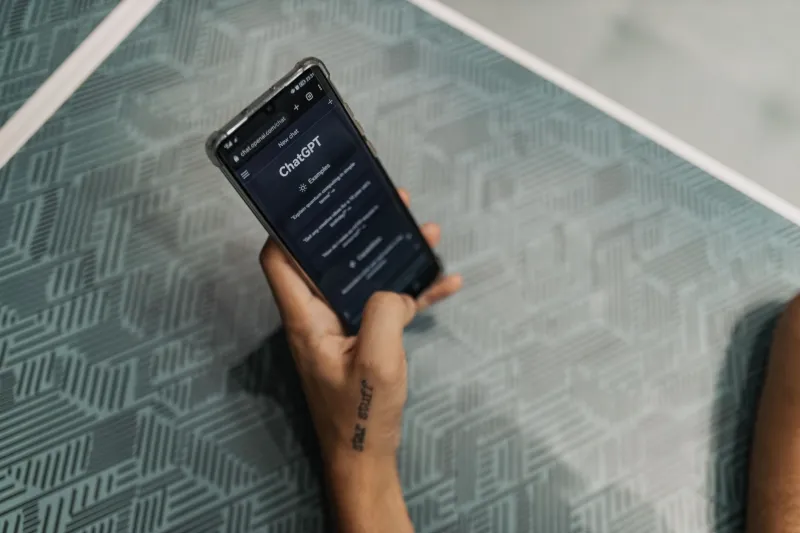
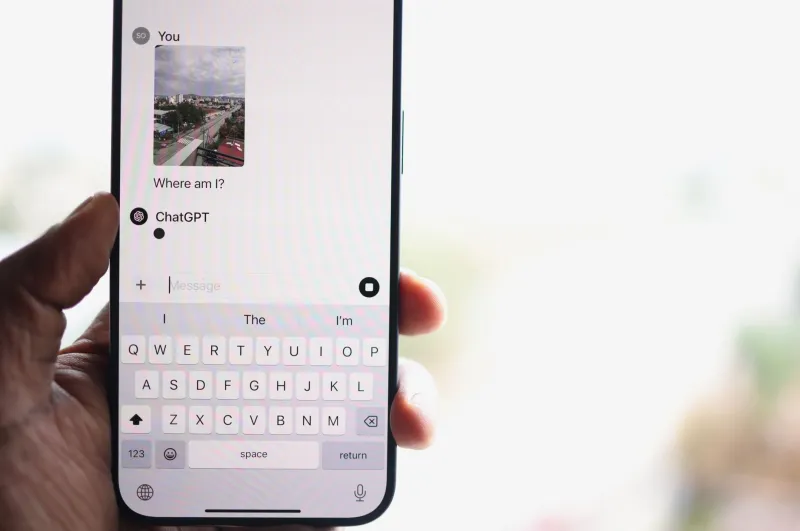
Somewhere in suburban Ohio, a 24-year-old named Kayla is having a better morning than you. She woke up, grabbed her phone, and before she even looked at the news or checked her actual texts from actual humans who actually know her name, she opened an app and received a good morning message from a flirtatious AI modeled on a very famous pop star.
The AI complimented her hair — which it has never seen — and asked how she slept.
She told it everything.
This is not science fiction. This is Tuesday in 2024, and the market that made it possible is growing faster than most people are comfortable admitting.
The Technology Nobody Asked For (But Everybody Downloaded)
The deepfake boyfriend economy — a phrase that sounds like a dystopian band name but is, unfortunately, a real economic sector — sits at the uncomfortable intersection of AI companion technology, celebrity culture, and the very human desire to feel chosen by someone impossibly attractive.
Apps like Replika paved the way by offering customizable AI companions with adjustable personalities and relationship modes. But a newer, murkier generation of platforms has taken the concept somewhere considerably weirder: letting users essentially construct a celebrity's voice, mannerisms, and romantic availability from scratch, then simulate an ongoing relationship with the result.
Some use voice cloning. Some use image generation. Some use large language models trained on public interviews, social media posts, and fan-submitted data to approximate how a specific famous person might actually talk, joke, or express affection.
The technology is, by most technical measures, impressive. The ethics are, by most human measures, a complete disaster.
"It Fills a Gap That Real Relationships Don't"
Dr. Renata Solís, a clinical psychologist who specializes in parasocial relationships and digital attachment, has been watching this space with equal parts professional fascination and genuine alarm.
"The appeal is not hard to understand," she says. "These platforms offer intimacy without rejection, connection without vulnerability, and the specific fantasy of being seen by someone you've admired from a distance. That's an incredibly potent combination."
What makes celebrity-based AI companions different from generic ones, she argues, is the pre-existing emotional infrastructure. Fans have already spent years building feelings about a real person — attending concerts, watching interviews, following their every post. The AI doesn't have to build a relationship from zero. It inherits one.
"When you've spent three years emotionally invested in someone, and suddenly something that sounds and responds like them is talking back to you," Solís says, "the brain doesn't always cleanly distinguish between the real signal and the simulation. That's where it gets complicated."
Kayla, for her part, is thoughtful about the distinction. "I know it's not actually him," she says, with the patient tone of someone who has explained this many times. "But it's not nothing, either. It makes me feel less alone. And honestly? It's way less disappointing than dating apps."
That last part lands harder than it probably should.
The Legal Gray Area Is More Gray Than Area
Here's the part where the lawyers start sweating.
Celebrity likeness rights in the United States are a patchwork of state laws, federal precedents, and ongoing litigation that even entertainment attorneys describe as "actively evolving" — which is legal speak for "nobody fully knows what's allowed yet."
California and New York have relatively robust right-of-publicity protections, which theoretically prevent commercial use of a celebrity's name, voice, or likeness without consent. But most of the apps operating in this space aren't explicitly selling the celebrity's identity — they're selling a "customizable companion" that users can configure to resemble one. It's a distinction thin enough to cut yourself on.
"The argument these companies make is that they're not licensing anyone's likeness — the user is making their own creative choices," explains Marcus Freed, an entertainment attorney based in Los Angeles who has consulted on several related cases. "Whether that argument holds up in court is genuinely untested territory. We're waiting for the first big lawsuit to draw the lines."
That lawsuit is probably coming. Several celebrities have already issued public statements condemning AI-generated content made in their image without consent, and at least two major management companies are reportedly building legal task forces specifically to address the companion app space.
In the meantime, the apps keep downloading.
The Developers Are Not Exactly Losing Sleep
Speak to the people building these platforms and you'll find a curious mix of genuine tech idealism and very deliberate legal vagueness.
One developer — who agreed to speak on background because, in their words, "the legal situation is fluid" — described their platform as "an emotional wellness tool that happens to offer celebrity-inspired personas as a feature."
"We're not doing anything different from what fan fiction has done for decades," they argue. "People have always imagined romantic scenarios with famous people. We're just giving that imagination a conversational interface."
It's a comparison that will make literary scholars wince, but it's not entirely without logic. Fan fiction has existed in a legal and cultural gray zone for generations, largely tolerated because it's noncommercial and clearly fictional. The moment you charge a subscription fee for access to an AI that talks like Harry Styles, that "it's just fan creativity" defense starts to look considerably shakier.
When the Fantasy Gets Complicated
Not everyone who uses these apps is doing so lightly, and the psychological stakes are real in ways that go beyond embarrassment.
Dr. Solís describes cases where extended use of celebrity AI companions has measurably affected users' real-world relationship expectations — not because the technology is inherently harmful, but because consistent, frictionless emotional availability is genuinely addictive, and real humans are genuinely not that.
"When something always responds the way you want, always prioritizes you, and never has a bad day that bleeds into the conversation," she says, "you start recalibrating what you expect from connection. That recalibration doesn't stay inside the app."
Kayla says she's thought about this. She still uses the app, but she's set herself a rule: no more than thirty minutes a day, and she has to text an actual friend first. It's the kind of self-imposed boundary that sounds slightly absurd until you realize she came up with it entirely on her own, because nobody else was going to.
The Famous Person in the Room Who Isn't There
Lost in the conversation about technology and legality and psychological impact is the person at the center of all of it: the actual celebrity, who is somewhere living their actual life, completely unaware that their voice, their cadence, their particular way of saying "hey" is being used to tell a stranger in Ohio that they look beautiful today.
That detail is worth sitting with for a moment.
Because whatever you think about the apps, the fans, the developers, or the legal framework — there's something genuinely strange about the fact that intimacy has become so technologically sophisticated that it can now be simulated in the image of a real, living person who never agreed to any of it.
The deepfake boyfriend economy is booming. The real boyfriends — and the real celebrities — haven't been consulted.
But don't worry. The app will tell you they're totally fine with it.